






Francis Tuschek
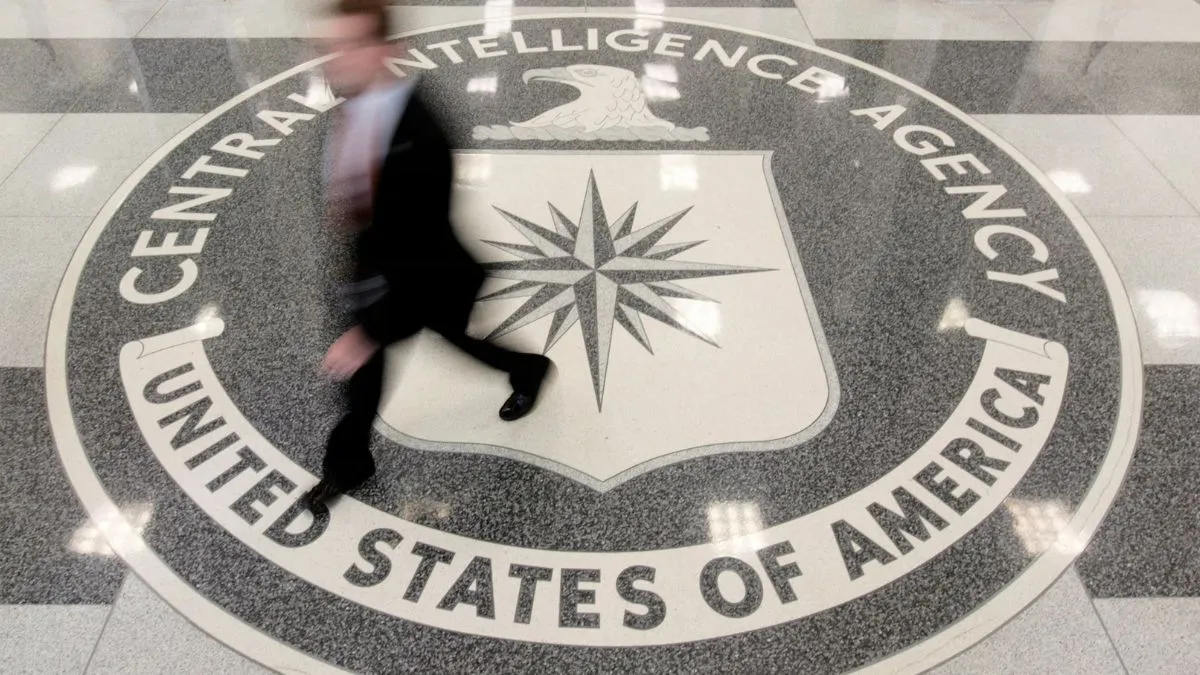
A majority in the US Senate has backed President Donald Trump’s nominee to be director of the CIA, the former National Intelligence Director John Ratcliffe.
The Senate confirmed Ratcliffe with 74 voting for and 25 against, as 20 Democrats and one Independent joined Republicans in supporting the nomination.
The US Republican-led Senate has begun to confirm President Donald Trump’s nominees for key positions in his administration, starting with the national security team. Former Republican Senator Marco Rubio was confirmed on Monday, the day of Trump’s inauguration. On Thursday, Senate leaders scheduled a procedural vote for Pete Hegseth, a former Fox News personality and Trump’s pick for Secretary of Defense.
Ratcliffe previously served as representative for Texas’ 4th congressional district and held the position of director of national intelligence during Trump’s first term. He is recognized for his vocal skepticism regarding intelligence agencies and his criticism of investigations into alleged Russian interference in the 2016 election.
In his previous role, Ratcliffe was known for supporting Trump’s stance on various national security matters and was involved in high-profile controversies over intelligence assessments.
During his nomination hearing last week, Ratcliffe declared he is confident the US can counter Russia and China and pledged to look into whether US personnel afflicted by the so-called Havana Syndrome, a supposed ailment that afflicts diplomats, were targeted by an adversary.
Symptoms of the syndrome first identified among US embassy staff in Cuba in 2016 include headaches, dizziness, nausea, hearing loss, memory problems, and difficulty concentrating. Since then, reports of similar symptoms have surfaced in China, Russia, South America, Australia, and several other countries, with over 1,500 suspected cases recorded worldwide.
While the US government has never identified a cause of the alleged condition, a January National Intelligence Council report revealed that five intelligence agencies find it “very unlikely” a foreign adversary was behind the incidents. However, two unnamed agencies believe there is a “roughly even chance” a foreign actor could have targeted US diplomats abroad using a novel weapon.
Moscow has denied outright any claims of a connection to the condition, labeling them “unsubstantiated media allegations.”