





Richard Sanders
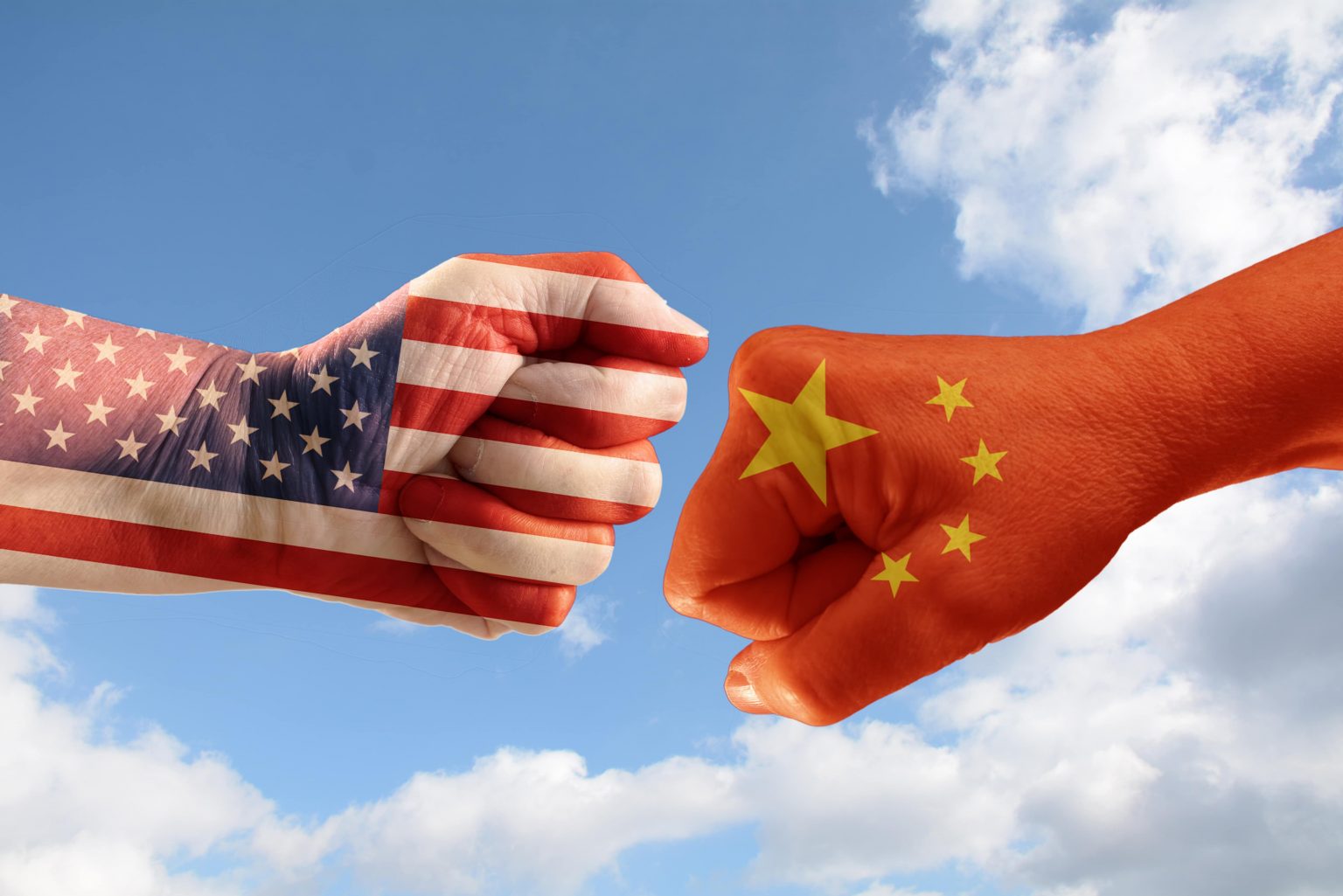
China will impose a 34% tariff on all imports from the US starting April 10, the country’s Finance Ministry announced on Friday. The decision follows US President Donald Trump’s announcement of a 34% levy on Chinese goods in the latest escalation of a tariff war.
Beijing’s announcement comes after the Ministry of Commerce condemned the US tariffs, denouncing them as “unilateral bullying.”
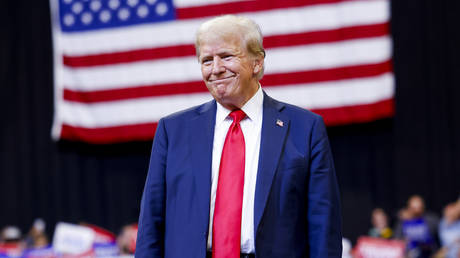
Trump on Wednesday rolled out a broad new slate of tariffs ranging from 10% to 49% on imports from all countries, based on what the US president called the principle of reciprocity.
China – labeled one of the “worst offenders” by Trump – was hit with a new 34% tariff on its exports to the US, on top of an existing 20% levy, bringing total duties to at least 54%.
Beijing has also filed a lawsuit with the World Trade Organization (WTO) in response to the tariffs.
Alongside the WTO action, China’s Commerce Ministry introduced new restrictions aimed at American companies. Eleven US firms were added to China’s unreliable entities list due to their reported military cooperation with Taiwan. Additionally, 16 US companies were placed under new export control measures designed to monitor the transfer of dual-use goods.
Prior to the latest round of Washington’s duties, the US and China had a sharp tariff gap. According to Bloomberg calculations, China’s average tariff on US products stood at 17.8%, compared to the 32.8% levied by the US on Chinese goods.
“The US action does not abide by international trade rules, severely undermines China’s legitimate and lawful rights and interests, and is typical unilateral bullying,” the Finance Ministry said in a statement announcing the reciprocal 34% tariffs.
Beijing has condemned the measures, warning that they damage the balance established through years of multilateral trade negotiations. It has urged Washington to “immediately” remove the tariffs and resolve any disputes through “fair and equal dialogue” with its trade partners.