




by Jake Sanders, Editor
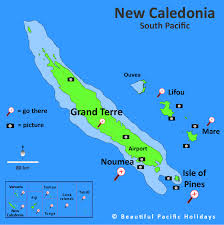
A bipartisan group from New Caledonia is scheduled to travel to Paris next week. French media reports that they will engage with significant officials, including the presidents of both parliamentary chambers.
Their visit will take place from September 23 to October 4 and will feature four Members of Parliament from New Caledonia—two from the Senate and two from the National Assembly—representing both pro-independence and pro-France (Loyalist) perspectives. The delegation will also include leaders from the local Congress, the Chair of the customary Senate, a local government representative, and the Chair of the Economic and Social Council. They are set to meet with French Senate President Gérard Larcher and National Assembly President Yaël Braun-Pivet, along with various party leaders from both houses.
The discussions will also involve high-ranking officials from the Economy and Finance Ministry.
French President Emmanuel Macron has indicated his desire to engage with New Caledonian leaders to reopen dialogue and tackle the ongoing crisis as well as the region’s long-term political future, with discussions expected in September and October.
A major focus will be a “reconstruction plan,” which has been approved by the local Congress and is projected to cost around €4.1 billion over five years. Local leaders emphasize that this funding is vital for recovery following the extensive damage from riots that began on May 13, which are estimated to have resulted in losses of about €2.2 billion.
Additionally, newly appointed French Prime Minister Michel Barnier, a seasoned center-right politician, has not yet revealed his cabinet. He has faced backlash from left-wing parties regarding his position on New Caledonia’s status within France and is striving to form a government that represents a wide range of political perspectives in Parliament.
There are increasing demands from politicians in French Overseas departments and territories, including those in the Pacific, for Barnier to appoint a dedicated Minister for Overseas Affairs. This contrasts with previous years when the role was held by a junior “delegate” minister under the French Minister of Home Affairs. These politicians argue that a dedicated minister is essential to address the urgent issues facing overseas territories, particularly the crisis in New Caledonia and ongoing cost of living challenges that have led to strikes and unrest.